

Also — and this is important — buy before you leave. Some policies let you add activities later, but many don’t. And if you’re already injured, forget it.
The Cost Factor: What to Expect
Adventure travel insurance isn’t cheap, but it’s rarely outrageous either. For a two-week trip with high-risk activities, expect to pay somewhere between $150 and $500, depending on your age, destination, and how wild you’re going. Add-ons for things like heli-skiing or high-altitude climbing can push it higher.
Compare that to the cost of a single emergency evacuation — often $20,000 to $100,000 — and the math speaks for itself. It’s like wearing a seatbelt. You hope you never need it, but you’re sure glad it’s there.
Trends Shaping Adventure Coverage Right Now
The adventure tourism industry is booming. Post-pandemic, more people than ever are chasing adrenaline — from via ferrata in the Dolomites to volcano boarding in Nicaragua. Insurers are responding with more flexible, activity-specific policies. Some even offer “pay-per-activity” models where you only cover what you’re actually doing.
There’s also a growing push for transparency. Apps and comparison tools now let you filter by activity, which is a huge improvement over the old days of deciphering PDFs. That said, the onus is still on you to verify the details.
A Final Thought Before You Leap
Adventure travel is about freedom — the wind in your face, the rush of the unknown, the stories you’ll tell for years. Insurance doesn’t kill that buzz. If anything, it protects it. Knowing you’re covered means you can commit fully to the moment instead of worrying about what happens if things go sideways.
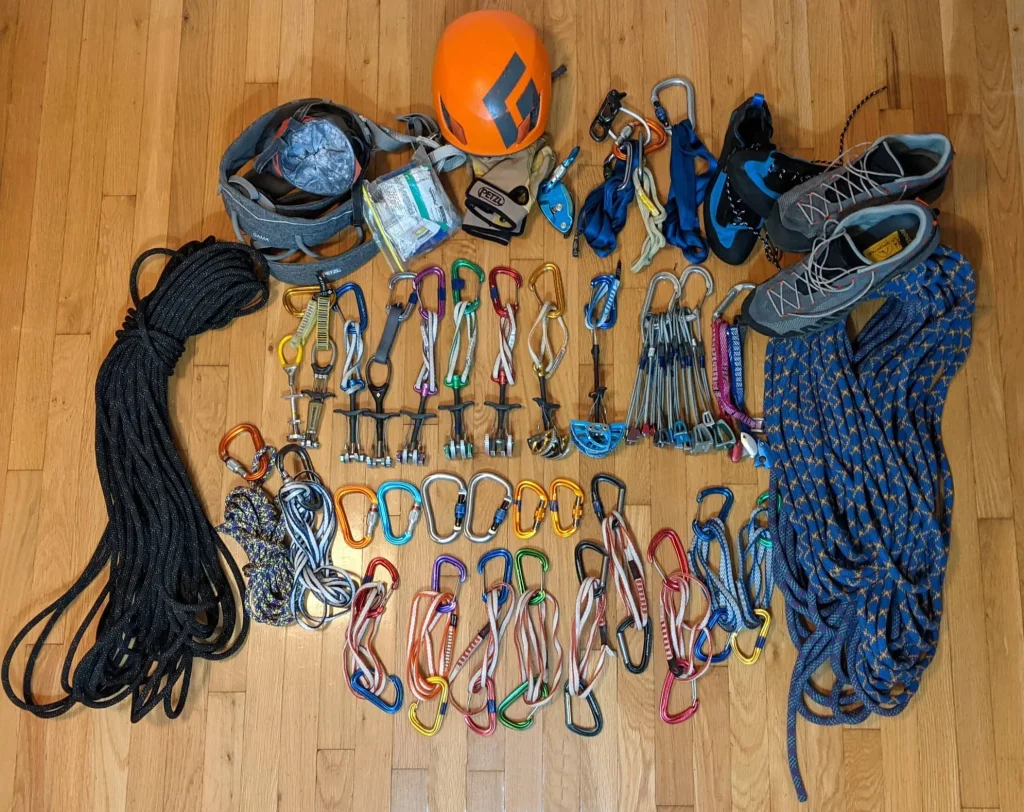
So before you strap on that harness or clip into that rope, spend an hour with a policy document. Boring? Sure. But it’s the kind of boring that lets you be brave.
Also — and this is important — buy before you leave. Some policies let you add activities later, but many don’t. And if you’re already injured, forget it.
The Cost Factor: What to Expect
Adventure travel insurance isn’t cheap, but it’s rarely outrageous either. For a two-week trip with high-risk activities, expect to pay somewhere between $150 and $500, depending on your age, destination, and how wild you’re going. Add-ons for things like heli-skiing or high-altitude climbing can push it higher.
Compare that to the cost of a single emergency evacuation — often $20,000 to $100,000 — and the math speaks for itself. It’s like wearing a seatbelt. You hope you never need it, but you’re sure glad it’s there.
Trends Shaping Adventure Coverage Right Now
The adventure tourism industry is booming. Post-pandemic, more people than ever are chasing adrenaline — from via ferrata in the Dolomites to volcano boarding in Nicaragua. Insurers are responding with more flexible, activity-specific policies. Some even offer “pay-per-activity” models where you only cover what you’re actually doing.
There’s also a growing push for transparency. Apps and comparison tools now let you filter by activity, which is a huge improvement over the old days of deciphering PDFs. That said, the onus is still on you to verify the details.
A Final Thought Before You Leap
Adventure travel is about freedom — the wind in your face, the rush of the unknown, the stories you’ll tell for years. Insurance doesn’t kill that buzz. If anything, it protects it. Knowing you’re covered means you can commit fully to the moment instead of worrying about what happens if things go sideways.
So before you strap on that harness or clip into that rope, spend an hour with a policy document. Boring? Sure. But it’s the kind of boring that lets you be brave.
Also — and this is important — buy before you leave. Some policies let you add activities later, but many don’t. And if you’re already injured, forget it.
The Cost Factor: What to Expect
Adventure travel insurance isn’t cheap, but it’s rarely outrageous either. For a two-week trip with high-risk activities, expect to pay somewhere between $150 and $500, depending on your age, destination, and how wild you’re going. Add-ons for things like heli-skiing or high-altitude climbing can push it higher.
Compare that to the cost of a single emergency evacuation — often $20,000 to $100,000 — and the math speaks for itself. It’s like wearing a seatbelt. You hope you never need it, but you’re sure glad it’s there.
Trends Shaping Adventure Coverage Right Now
The adventure tourism industry is booming. Post-pandemic, more people than ever are chasing adrenaline — from via ferrata in the Dolomites to volcano boarding in Nicaragua. Insurers are responding with more flexible, activity-specific policies. Some even offer “pay-per-activity” models where you only cover what you’re actually doing.
There’s also a growing push for transparency. Apps and comparison tools now let you filter by activity, which is a huge improvement over the old days of deciphering PDFs. That said, the onus is still on you to verify the details.
A Final Thought Before You Leap
Adventure travel is about freedom — the wind in your face, the rush of the unknown, the stories you’ll tell for years. Insurance doesn’t kill that buzz. If anything, it protects it. Knowing you’re covered means you can commit fully to the moment instead of worrying about what happens if things go sideways.
So before you strap on that harness or clip into that rope, spend an hour with a policy document. Boring? Sure. But it’s the kind of boring that lets you be brave.
Also — and this is important — buy before you leave. Some policies let you add activities later, but many don’t. And if you’re already injured, forget it.
The Cost Factor: What to Expect
Adventure travel insurance isn’t cheap, but it’s rarely outrageous either. For a two-week trip with high-risk activities, expect to pay somewhere between $150 and $500, depending on your age, destination, and how wild you’re going. Add-ons for things like heli-skiing or high-altitude climbing can push it higher.
Compare that to the cost of a single emergency evacuation — often $20,000 to $100,000 — and the math speaks for itself. It’s like wearing a seatbelt. You hope you never need it, but you’re sure glad it’s there.
Trends Shaping Adventure Coverage Right Now
The adventure tourism industry is booming. Post-pandemic, more people than ever are chasing adrenaline — from via ferrata in the Dolomites to volcano boarding in Nicaragua. Insurers are responding with more flexible, activity-specific policies. Some even offer “pay-per-activity” models where you only cover what you’re actually doing.
There’s also a growing push for transparency. Apps and comparison tools now let you filter by activity, which is a huge improvement over the old days of deciphering PDFs. That said, the onus is still on you to verify the details.
A Final Thought Before You Leap
Adventure travel is about freedom — the wind in your face, the rush of the unknown, the stories you’ll tell for years. Insurance doesn’t kill that buzz. If anything, it protects it. Knowing you’re covered means you can commit fully to the moment instead of worrying about what happens if things go sideways.
So before you strap on that harness or clip into that rope, spend an hour with a policy document. Boring? Sure. But it’s the kind of boring that lets you be brave.
Also — and this is important — buy before you leave. Some policies let you add activities later, but many don’t. And if you’re already injured, forget it.
The Cost Factor: What to Expect
Adventure travel insurance isn’t cheap, but it’s rarely outrageous either. For a two-week trip with high-risk activities, expect to pay somewhere between $150 and $500, depending on your age, destination, and how wild you’re going. Add-ons for things like heli-skiing or high-altitude climbing can push it higher.
Compare that to the cost of a single emergency evacuation — often $20,000 to $100,000 — and the math speaks for itself. It’s like wearing a seatbelt. You hope you never need it, but you’re sure glad it’s there.
Trends Shaping Adventure Coverage Right Now
The adventure tourism industry is booming. Post-pandemic, more people than ever are chasing adrenaline — from via ferrata in the Dolomites to volcano boarding in Nicaragua. Insurers are responding with more flexible, activity-specific policies. Some even offer “pay-per-activity” models where you only cover what you’re actually doing.
There’s also a growing push for transparency. Apps and comparison tools now let you filter by activity, which is a huge improvement over the old days of deciphering PDFs. That said, the onus is still on you to verify the details.
A Final Thought Before You Leap
Adventure travel is about freedom — the wind in your face, the rush of the unknown, the stories you’ll tell for years. Insurance doesn’t kill that buzz. If anything, it protects it. Knowing you’re covered means you can commit fully to the moment instead of worrying about what happens if things go sideways.
So before you strap on that harness or clip into that rope, spend an hour with a policy document. Boring? Sure. But it’s the kind of boring that lets you be brave.
- List every activity you plan to do — even the “maybe” ones. Better safe.
- Match them to policy tiers. Check whether they’re covered automatically or need a rider.
- Compare evacuation limits. $50,000 sounds like a lot until you need a helicopter in Patagonia.
- Check the deductible. A low premium with a huge deductible can sting.
- Look at reviews and claim experiences. A cheap policy that never pays out is worthless.
Also — and this is important — buy before you leave. Some policies let you add activities later, but many don’t. And if you’re already injured, forget it.
The Cost Factor: What to Expect
Adventure travel insurance isn’t cheap, but it’s rarely outrageous either. For a two-week trip with high-risk activities, expect to pay somewhere between $150 and $500, depending on your age, destination, and how wild you’re going. Add-ons for things like heli-skiing or high-altitude climbing can push it higher.
Compare that to the cost of a single emergency evacuation — often $20,000 to $100,000 — and the math speaks for itself. It’s like wearing a seatbelt. You hope you never need it, but you’re sure glad it’s there.
Trends Shaping Adventure Coverage Right Now
The adventure tourism industry is booming. Post-pandemic, more people than ever are chasing adrenaline — from via ferrata in the Dolomites to volcano boarding in Nicaragua. Insurers are responding with more flexible, activity-specific policies. Some even offer “pay-per-activity” models where you only cover what you’re actually doing.
There’s also a growing push for transparency. Apps and comparison tools now let you filter by activity, which is a huge improvement over the old days of deciphering PDFs. That said, the onus is still on you to verify the details.
A Final Thought Before You Leap
Adventure travel is about freedom — the wind in your face, the rush of the unknown, the stories you’ll tell for years. Insurance doesn’t kill that buzz. If anything, it protects it. Knowing you’re covered means you can commit fully to the moment instead of worrying about what happens if things go sideways.
So before you strap on that harness or clip into that rope, spend an hour with a policy document. Boring? Sure. But it’s the kind of boring that lets you be brave.
- List every activity you plan to do — even the “maybe” ones. Better safe.
- Match them to policy tiers. Check whether they’re covered automatically or need a rider.
- Compare evacuation limits. $50,000 sounds like a lot until you need a helicopter in Patagonia.
- Check the deductible. A low premium with a huge deductible can sting.
- Look at reviews and claim experiences. A cheap policy that never pays out is worthless.
Also — and this is important — buy before you leave. Some policies let you add activities later, but many don’t. And if you’re already injured, forget it.
The Cost Factor: What to Expect
Adventure travel insurance isn’t cheap, but it’s rarely outrageous either. For a two-week trip with high-risk activities, expect to pay somewhere between $150 and $500, depending on your age, destination, and how wild you’re going. Add-ons for things like heli-skiing or high-altitude climbing can push it higher.
Compare that to the cost of a single emergency evacuation — often $20,000 to $100,000 — and the math speaks for itself. It’s like wearing a seatbelt. You hope you never need it, but you’re sure glad it’s there.
Trends Shaping Adventure Coverage Right Now
The adventure tourism industry is booming. Post-pandemic, more people than ever are chasing adrenaline — from via ferrata in the Dolomites to volcano boarding in Nicaragua. Insurers are responding with more flexible, activity-specific policies. Some even offer “pay-per-activity” models where you only cover what you’re actually doing.
There’s also a growing push for transparency. Apps and comparison tools now let you filter by activity, which is a huge improvement over the old days of deciphering PDFs. That said, the onus is still on you to verify the details.
A Final Thought Before You Leap
Adventure travel is about freedom — the wind in your face, the rush of the unknown, the stories you’ll tell for years. Insurance doesn’t kill that buzz. If anything, it protects it. Knowing you’re covered means you can commit fully to the moment instead of worrying about what happens if things go sideways.
So before you strap on that harness or clip into that rope, spend an hour with a policy document. Boring? Sure. But it’s the kind of boring that lets you be brave.
Notice what’s often missing? Coverage for professional competition, stunt work, or anything done while under the influence. Yeah, that last one catches people off guard.
Reading the Fine Print: Exclusions That Bite
Let’s be real — nobody enjoys reading policy documents. They’re dense, repetitive, and written like they’re trying to lose you. But skipping them is how people end up furious on the phone with a claims agent from a hospital bed in Nepal.
Watch for these common exclusions:
| Exclusion | What It Means |
|---|---|
| Altitude limits | Mountaineering above 4,000–6,000m often isn’t covered |
| Depth limits | Scuba below 18–30m may need special coverage |
| Unlicensed operators | If your guide isn’t certified, claims can be denied |
| Alcohol or drugs | Any injury while intoxicated = no payout |
| Pre-existing conditions | Old injuries flaring up usually aren’t covered |
| Going off-piste alone | Solo backcountry skiing without a guide? Risky for coverage |
And here’s a subtle one: many policies require you to wear proper safety gear. No helmet on that downhill run? Good luck arguing your case.
How to Choose the Right Policy
Choosing adventure travel insurance isn’t rocket science, but it does take a bit of legwork. Here’s a rough process:
- List every activity you plan to do — even the “maybe” ones. Better safe.
- Match them to policy tiers. Check whether they’re covered automatically or need a rider.
- Compare evacuation limits. $50,000 sounds like a lot until you need a helicopter in Patagonia.
- Check the deductible. A low premium with a huge deductible can sting.
- Look at reviews and claim experiences. A cheap policy that never pays out is worthless.
Also — and this is important — buy before you leave. Some policies let you add activities later, but many don’t. And if you’re already injured, forget it.
The Cost Factor: What to Expect
Adventure travel insurance isn’t cheap, but it’s rarely outrageous either. For a two-week trip with high-risk activities, expect to pay somewhere between $150 and $500, depending on your age, destination, and how wild you’re going. Add-ons for things like heli-skiing or high-altitude climbing can push it higher.
Compare that to the cost of a single emergency evacuation — often $20,000 to $100,000 — and the math speaks for itself. It’s like wearing a seatbelt. You hope you never need it, but you’re sure glad it’s there.
Trends Shaping Adventure Coverage Right Now
The adventure tourism industry is booming. Post-pandemic, more people than ever are chasing adrenaline — from via ferrata in the Dolomites to volcano boarding in Nicaragua. Insurers are responding with more flexible, activity-specific policies. Some even offer “pay-per-activity” models where you only cover what you’re actually doing.
There’s also a growing push for transparency. Apps and comparison tools now let you filter by activity, which is a huge improvement over the old days of deciphering PDFs. That said, the onus is still on you to verify the details.
A Final Thought Before You Leap
Adventure travel is about freedom — the wind in your face, the rush of the unknown, the stories you’ll tell for years. Insurance doesn’t kill that buzz. If anything, it protects it. Knowing you’re covered means you can commit fully to the moment instead of worrying about what happens if things go sideways.
So before you strap on that harness or clip into that rope, spend an hour with a policy document. Boring? Sure. But it’s the kind of boring that lets you be brave.
Notice what’s often missing? Coverage for professional competition, stunt work, or anything done while under the influence. Yeah, that last one catches people off guard.
Reading the Fine Print: Exclusions That Bite
Let’s be real — nobody enjoys reading policy documents. They’re dense, repetitive, and written like they’re trying to lose you. But skipping them is how people end up furious on the phone with a claims agent from a hospital bed in Nepal.
Watch for these common exclusions:
| Exclusion | What It Means |
|---|---|
| Altitude limits | Mountaineering above 4,000–6,000m often isn’t covered |
| Depth limits | Scuba below 18–30m may need special coverage |
| Unlicensed operators | If your guide isn’t certified, claims can be denied |
| Alcohol or drugs | Any injury while intoxicated = no payout |
| Pre-existing conditions | Old injuries flaring up usually aren’t covered |
| Going off-piste alone | Solo backcountry skiing without a guide? Risky for coverage |
And here’s a subtle one: many policies require you to wear proper safety gear. No helmet on that downhill run? Good luck arguing your case.
How to Choose the Right Policy
Choosing adventure travel insurance isn’t rocket science, but it does take a bit of legwork. Here’s a rough process:
- List every activity you plan to do — even the “maybe” ones. Better safe.
- Match them to policy tiers. Check whether they’re covered automatically or need a rider.
- Compare evacuation limits. $50,000 sounds like a lot until you need a helicopter in Patagonia.
- Check the deductible. A low premium with a huge deductible can sting.
- Look at reviews and claim experiences. A cheap policy that never pays out is worthless.
Also — and this is important — buy before you leave. Some policies let you add activities later, but many don’t. And if you’re already injured, forget it.
The Cost Factor: What to Expect
Adventure travel insurance isn’t cheap, but it’s rarely outrageous either. For a two-week trip with high-risk activities, expect to pay somewhere between $150 and $500, depending on your age, destination, and how wild you’re going. Add-ons for things like heli-skiing or high-altitude climbing can push it higher.
Compare that to the cost of a single emergency evacuation — often $20,000 to $100,000 — and the math speaks for itself. It’s like wearing a seatbelt. You hope you never need it, but you’re sure glad it’s there.
Trends Shaping Adventure Coverage Right Now
The adventure tourism industry is booming. Post-pandemic, more people than ever are chasing adrenaline — from via ferrata in the Dolomites to volcano boarding in Nicaragua. Insurers are responding with more flexible, activity-specific policies. Some even offer “pay-per-activity” models where you only cover what you’re actually doing.
There’s also a growing push for transparency. Apps and comparison tools now let you filter by activity, which is a huge improvement over the old days of deciphering PDFs. That said, the onus is still on you to verify the details.
A Final Thought Before You Leap
Adventure travel is about freedom — the wind in your face, the rush of the unknown, the stories you’ll tell for years. Insurance doesn’t kill that buzz. If anything, it protects it. Knowing you’re covered means you can commit fully to the moment instead of worrying about what happens if things go sideways.
So before you strap on that harness or clip into that rope, spend an hour with a policy document. Boring? Sure. But it’s the kind of boring that lets you be brave.
Notice what’s often missing? Coverage for professional competition, stunt work, or anything done while under the influence. Yeah, that last one catches people off guard.
Reading the Fine Print: Exclusions That Bite
Let’s be real — nobody enjoys reading policy documents. They’re dense, repetitive, and written like they’re trying to lose you. But skipping them is how people end up furious on the phone with a claims agent from a hospital bed in Nepal.
Watch for these common exclusions:
| Exclusion | What It Means |
|---|---|
| Altitude limits | Mountaineering above 4,000–6,000m often isn’t covered |
| Depth limits | Scuba below 18–30m may need special coverage |
| Unlicensed operators | If your guide isn’t certified, claims can be denied |
| Alcohol or drugs | Any injury while intoxicated = no payout |
| Pre-existing conditions | Old injuries flaring up usually aren’t covered |
| Going off-piste alone | Solo backcountry skiing without a guide? Risky for coverage |
And here’s a subtle one: many policies require you to wear proper safety gear. No helmet on that downhill run? Good luck arguing your case.
How to Choose the Right Policy
Choosing adventure travel insurance isn’t rocket science, but it does take a bit of legwork. Here’s a rough process:
- List every activity you plan to do — even the “maybe” ones. Better safe.
- Match them to policy tiers. Check whether they’re covered automatically or need a rider.
- Compare evacuation limits. $50,000 sounds like a lot until you need a helicopter in Patagonia.
- Check the deductible. A low premium with a huge deductible can sting.
- Look at reviews and claim experiences. A cheap policy that never pays out is worthless.
Also — and this is important — buy before you leave. Some policies let you add activities later, but many don’t. And if you’re already injured, forget it.
The Cost Factor: What to Expect
Adventure travel insurance isn’t cheap, but it’s rarely outrageous either. For a two-week trip with high-risk activities, expect to pay somewhere between $150 and $500, depending on your age, destination, and how wild you’re going. Add-ons for things like heli-skiing or high-altitude climbing can push it higher.
Compare that to the cost of a single emergency evacuation — often $20,000 to $100,000 — and the math speaks for itself. It’s like wearing a seatbelt. You hope you never need it, but you’re sure glad it’s there.
Trends Shaping Adventure Coverage Right Now
The adventure tourism industry is booming. Post-pandemic, more people than ever are chasing adrenaline — from via ferrata in the Dolomites to volcano boarding in Nicaragua. Insurers are responding with more flexible, activity-specific policies. Some even offer “pay-per-activity” models where you only cover what you’re actually doing.
There’s also a growing push for transparency. Apps and comparison tools now let you filter by activity, which is a huge improvement over the old days of deciphering PDFs. That said, the onus is still on you to verify the details.
A Final Thought Before You Leap
Adventure travel is about freedom — the wind in your face, the rush of the unknown, the stories you’ll tell for years. Insurance doesn’t kill that buzz. If anything, it protects it. Knowing you’re covered means you can commit fully to the moment instead of worrying about what happens if things go sideways.
So before you strap on that harness or clip into that rope, spend an hour with a policy document. Boring? Sure. But it’s the kind of boring that lets you be brave.
Notice what’s often missing? Coverage for professional competition, stunt work, or anything done while under the influence. Yeah, that last one catches people off guard.
Reading the Fine Print: Exclusions That Bite
Let’s be real — nobody enjoys reading policy documents. They’re dense, repetitive, and written like they’re trying to lose you. But skipping them is how people end up furious on the phone with a claims agent from a hospital bed in Nepal.
Watch for these common exclusions:
| Exclusion | What It Means |
|---|---|
| Altitude limits | Mountaineering above 4,000–6,000m often isn’t covered |
| Depth limits | Scuba below 18–30m may need special coverage |
| Unlicensed operators | If your guide isn’t certified, claims can be denied |
| Alcohol or drugs | Any injury while intoxicated = no payout |
| Pre-existing conditions | Old injuries flaring up usually aren’t covered |
| Going off-piste alone | Solo backcountry skiing without a guide? Risky for coverage |
And here’s a subtle one: many policies require you to wear proper safety gear. No helmet on that downhill run? Good luck arguing your case.
How to Choose the Right Policy
Choosing adventure travel insurance isn’t rocket science, but it does take a bit of legwork. Here’s a rough process:
- List every activity you plan to do — even the “maybe” ones. Better safe.
- Match them to policy tiers. Check whether they’re covered automatically or need a rider.
- Compare evacuation limits. $50,000 sounds like a lot until you need a helicopter in Patagonia.
- Check the deductible. A low premium with a huge deductible can sting.
- Look at reviews and claim experiences. A cheap policy that never pays out is worthless.
Also — and this is important — buy before you leave. Some policies let you add activities later, but many don’t. And if you’re already injured, forget it.
The Cost Factor: What to Expect
Adventure travel insurance isn’t cheap, but it’s rarely outrageous either. For a two-week trip with high-risk activities, expect to pay somewhere between $150 and $500, depending on your age, destination, and how wild you’re going. Add-ons for things like heli-skiing or high-altitude climbing can push it higher.
Compare that to the cost of a single emergency evacuation — often $20,000 to $100,000 — and the math speaks for itself. It’s like wearing a seatbelt. You hope you never need it, but you’re sure glad it’s there.
Trends Shaping Adventure Coverage Right Now
The adventure tourism industry is booming. Post-pandemic, more people than ever are chasing adrenaline — from via ferrata in the Dolomites to volcano boarding in Nicaragua. Insurers are responding with more flexible, activity-specific policies. Some even offer “pay-per-activity” models where you only cover what you’re actually doing.
There’s also a growing push for transparency. Apps and comparison tools now let you filter by activity, which is a huge improvement over the old days of deciphering PDFs. That said, the onus is still on you to verify the details.
A Final Thought Before You Leap
Adventure travel is about freedom — the wind in your face, the rush of the unknown, the stories you’ll tell for years. Insurance doesn’t kill that buzz. If anything, it protects it. Knowing you’re covered means you can commit fully to the moment instead of worrying about what happens if things go sideways.
So before you strap on that harness or clip into that rope, spend an hour with a policy document. Boring? Sure. But it’s the kind of boring that lets you be brave.
Notice what’s often missing? Coverage for professional competition, stunt work, or anything done while under the influence. Yeah, that last one catches people off guard.
Reading the Fine Print: Exclusions That Bite
Let’s be real — nobody enjoys reading policy documents. They’re dense, repetitive, and written like they’re trying to lose you. But skipping them is how people end up furious on the phone with a claims agent from a hospital bed in Nepal.
Watch for these common exclusions:
| Exclusion | What It Means |
|---|---|
| Altitude limits | Mountaineering above 4,000–6,000m often isn’t covered |
| Depth limits | Scuba below 18–30m may need special coverage |
| Unlicensed operators | If your guide isn’t certified, claims can be denied |
| Alcohol or drugs | Any injury while intoxicated = no payout |
| Pre-existing conditions | Old injuries flaring up usually aren’t covered |
| Going off-piste alone | Solo backcountry skiing without a guide? Risky for coverage |
And here’s a subtle one: many policies require you to wear proper safety gear. No helmet on that downhill run? Good luck arguing your case.
How to Choose the Right Policy
Choosing adventure travel insurance isn’t rocket science, but it does take a bit of legwork. Here’s a rough process:
- List every activity you plan to do — even the “maybe” ones. Better safe.
- Match them to policy tiers. Check whether they’re covered automatically or need a rider.
- Compare evacuation limits. $50,000 sounds like a lot until you need a helicopter in Patagonia.
- Check the deductible. A low premium with a huge deductible can sting.
- Look at reviews and claim experiences. A cheap policy that never pays out is worthless.
Also — and this is important — buy before you leave. Some policies let you add activities later, but many don’t. And if you’re already injured, forget it.
The Cost Factor: What to Expect
Adventure travel insurance isn’t cheap, but it’s rarely outrageous either. For a two-week trip with high-risk activities, expect to pay somewhere between $150 and $500, depending on your age, destination, and how wild you’re going. Add-ons for things like heli-skiing or high-altitude climbing can push it higher.
Compare that to the cost of a single emergency evacuation — often $20,000 to $100,000 — and the math speaks for itself. It’s like wearing a seatbelt. You hope you never need it, but you’re sure glad it’s there.
Trends Shaping Adventure Coverage Right Now
The adventure tourism industry is booming. Post-pandemic, more people than ever are chasing adrenaline — from via ferrata in the Dolomites to volcano boarding in Nicaragua. Insurers are responding with more flexible, activity-specific policies. Some even offer “pay-per-activity” models where you only cover what you’re actually doing.
There’s also a growing push for transparency. Apps and comparison tools now let you filter by activity, which is a huge improvement over the old days of deciphering PDFs. That said, the onus is still on you to verify the details.
A Final Thought Before You Leap
Adventure travel is about freedom — the wind in your face, the rush of the unknown, the stories you’ll tell for years. Insurance doesn’t kill that buzz. If anything, it protects it. Knowing you’re covered means you can commit fully to the moment instead of worrying about what happens if things go sideways.
So before you strap on that harness or clip into that rope, spend an hour with a policy document. Boring? Sure. But it’s the kind of boring that lets you be brave.
Notice what’s often missing? Coverage for professional competition, stunt work, or anything done while under the influence. Yeah, that last one catches people off guard.
Reading the Fine Print: Exclusions That Bite
Let’s be real — nobody enjoys reading policy documents. They’re dense, repetitive, and written like they’re trying to lose you. But skipping them is how people end up furious on the phone with a claims agent from a hospital bed in Nepal.
Watch for these common exclusions:
| Exclusion | What It Means |
|---|---|
| Altitude limits | Mountaineering above 4,000–6,000m often isn’t covered |
| Depth limits | Scuba below 18–30m may need special coverage |
| Unlicensed operators | If your guide isn’t certified, claims can be denied |
| Alcohol or drugs | Any injury while intoxicated = no payout |
| Pre-existing conditions | Old injuries flaring up usually aren’t covered |
| Going off-piste alone | Solo backcountry skiing without a guide? Risky for coverage |
And here’s a subtle one: many policies require you to wear proper safety gear. No helmet on that downhill run? Good luck arguing your case.
How to Choose the Right Policy
Choosing adventure travel insurance isn’t rocket science, but it does take a bit of legwork. Here’s a rough process:
- List every activity you plan to do — even the “maybe” ones. Better safe.
- Match them to policy tiers. Check whether they’re covered automatically or need a rider.
- Compare evacuation limits. $50,000 sounds like a lot until you need a helicopter in Patagonia.
- Check the deductible. A low premium with a huge deductible can sting.
- Look at reviews and claim experiences. A cheap policy that never pays out is worthless.
Also — and this is important — buy before you leave. Some policies let you add activities later, but many don’t. And if you’re already injured, forget it.
The Cost Factor: What to Expect
Adventure travel insurance isn’t cheap, but it’s rarely outrageous either. For a two-week trip with high-risk activities, expect to pay somewhere between $150 and $500, depending on your age, destination, and how wild you’re going. Add-ons for things like heli-skiing or high-altitude climbing can push it higher.
Compare that to the cost of a single emergency evacuation — often $20,000 to $100,000 — and the math speaks for itself. It’s like wearing a seatbelt. You hope you never need it, but you’re sure glad it’s there.
Trends Shaping Adventure Coverage Right Now
The adventure tourism industry is booming. Post-pandemic, more people than ever are chasing adrenaline — from via ferrata in the Dolomites to volcano boarding in Nicaragua. Insurers are responding with more flexible, activity-specific policies. Some even offer “pay-per-activity” models where you only cover what you’re actually doing.
There’s also a growing push for transparency. Apps and comparison tools now let you filter by activity, which is a huge improvement over the old days of deciphering PDFs. That said, the onus is still on you to verify the details.
A Final Thought Before You Leap
Adventure travel is about freedom — the wind in your face, the rush of the unknown, the stories you’ll tell for years. Insurance doesn’t kill that buzz. If anything, it protects it. Knowing you’re covered means you can commit fully to the moment instead of worrying about what happens if things go sideways.
So before you strap on that harness or clip into that rope, spend an hour with a policy document. Boring? Sure. But it’s the kind of boring that lets you be brave.
- Emergency medical evacuation — arguably the most important one. If you break a leg on a remote mountain, a helicopter ride can cost tens of thousands of dollars.
- Medical expenses — hospital bills, surgery, medication. Overseas healthcare is brutal without coverage.
- Repatriation — getting you home, or sadly, getting your remains home. Grim, but necessary.
- Trip cancellation or interruption — if an injury or storm wrecks your plans.
- Gear and equipment coverage — that carbon-fiber bike didn’t come cheap.
- Personal liability — if you accidentally injure someone else or damage property.
Notice what’s often missing? Coverage for professional competition, stunt work, or anything done while under the influence. Yeah, that last one catches people off guard.
Reading the Fine Print: Exclusions That Bite
Let’s be real — nobody enjoys reading policy documents. They’re dense, repetitive, and written like they’re trying to lose you. But skipping them is how people end up furious on the phone with a claims agent from a hospital bed in Nepal.
Watch for these common exclusions:
| Exclusion | What It Means |
|---|---|
| Altitude limits | Mountaineering above 4,000–6,000m often isn’t covered |
| Depth limits | Scuba below 18–30m may need special coverage |
| Unlicensed operators | If your guide isn’t certified, claims can be denied |
| Alcohol or drugs | Any injury while intoxicated = no payout |
| Pre-existing conditions | Old injuries flaring up usually aren’t covered |
| Going off-piste alone | Solo backcountry skiing without a guide? Risky for coverage |
And here’s a subtle one: many policies require you to wear proper safety gear. No helmet on that downhill run? Good luck arguing your case.
How to Choose the Right Policy
Choosing adventure travel insurance isn’t rocket science, but it does take a bit of legwork. Here’s a rough process:
- List every activity you plan to do — even the “maybe” ones. Better safe.
- Match them to policy tiers. Check whether they’re covered automatically or need a rider.
- Compare evacuation limits. $50,000 sounds like a lot until you need a helicopter in Patagonia.
- Check the deductible. A low premium with a huge deductible can sting.
- Look at reviews and claim experiences. A cheap policy that never pays out is worthless.
Also — and this is important — buy before you leave. Some policies let you add activities later, but many don’t. And if you’re already injured, forget it.
The Cost Factor: What to Expect
Adventure travel insurance isn’t cheap, but it’s rarely outrageous either. For a two-week trip with high-risk activities, expect to pay somewhere between $150 and $500, depending on your age, destination, and how wild you’re going. Add-ons for things like heli-skiing or high-altitude climbing can push it higher.
Compare that to the cost of a single emergency evacuation — often $20,000 to $100,000 — and the math speaks for itself. It’s like wearing a seatbelt. You hope you never need it, but you’re sure glad it’s there.
Trends Shaping Adventure Coverage Right Now
The adventure tourism industry is booming. Post-pandemic, more people than ever are chasing adrenaline — from via ferrata in the Dolomites to volcano boarding in Nicaragua. Insurers are responding with more flexible, activity-specific policies. Some even offer “pay-per-activity” models where you only cover what you’re actually doing.
There’s also a growing push for transparency. Apps and comparison tools now let you filter by activity, which is a huge improvement over the old days of deciphering PDFs. That said, the onus is still on you to verify the details.
A Final Thought Before You Leap
Adventure travel is about freedom — the wind in your face, the rush of the unknown, the stories you’ll tell for years. Insurance doesn’t kill that buzz. If anything, it protects it. Knowing you’re covered means you can commit fully to the moment instead of worrying about what happens if things go sideways.
So before you strap on that harness or clip into that rope, spend an hour with a policy document. Boring? Sure. But it’s the kind of boring that lets you be brave.
- Emergency medical evacuation — arguably the most important one. If you break a leg on a remote mountain, a helicopter ride can cost tens of thousands of dollars.
- Medical expenses — hospital bills, surgery, medication. Overseas healthcare is brutal without coverage.
- Repatriation — getting you home, or sadly, getting your remains home. Grim, but necessary.
- Trip cancellation or interruption — if an injury or storm wrecks your plans.
- Gear and equipment coverage — that carbon-fiber bike didn’t come cheap.
- Personal liability — if you accidentally injure someone else or damage property.
Notice what’s often missing? Coverage for professional competition, stunt work, or anything done while under the influence. Yeah, that last one catches people off guard.
Reading the Fine Print: Exclusions That Bite
Let’s be real — nobody enjoys reading policy documents. They’re dense, repetitive, and written like they’re trying to lose you. But skipping them is how people end up furious on the phone with a claims agent from a hospital bed in Nepal.
Watch for these common exclusions:
| Exclusion | What It Means |
|---|---|
| Altitude limits | Mountaineering above 4,000–6,000m often isn’t covered |
| Depth limits | Scuba below 18–30m may need special coverage |
| Unlicensed operators | If your guide isn’t certified, claims can be denied |
| Alcohol or drugs | Any injury while intoxicated = no payout |
| Pre-existing conditions | Old injuries flaring up usually aren’t covered |
| Going off-piste alone | Solo backcountry skiing without a guide? Risky for coverage |
And here’s a subtle one: many policies require you to wear proper safety gear. No helmet on that downhill run? Good luck arguing your case.
How to Choose the Right Policy
Choosing adventure travel insurance isn’t rocket science, but it does take a bit of legwork. Here’s a rough process:
- List every activity you plan to do — even the “maybe” ones. Better safe.
- Match them to policy tiers. Check whether they’re covered automatically or need a rider.
- Compare evacuation limits. $50,000 sounds like a lot until you need a helicopter in Patagonia.
- Check the deductible. A low premium with a huge deductible can sting.
- Look at reviews and claim experiences. A cheap policy that never pays out is worthless.
Also — and this is important — buy before you leave. Some policies let you add activities later, but many don’t. And if you’re already injured, forget it.
The Cost Factor: What to Expect
Adventure travel insurance isn’t cheap, but it’s rarely outrageous either. For a two-week trip with high-risk activities, expect to pay somewhere between $150 and $500, depending on your age, destination, and how wild you’re going. Add-ons for things like heli-skiing or high-altitude climbing can push it higher.
Compare that to the cost of a single emergency evacuation — often $20,000 to $100,000 — and the math speaks for itself. It’s like wearing a seatbelt. You hope you never need it, but you’re sure glad it’s there.
Trends Shaping Adventure Coverage Right Now
The adventure tourism industry is booming. Post-pandemic, more people than ever are chasing adrenaline — from via ferrata in the Dolomites to volcano boarding in Nicaragua. Insurers are responding with more flexible, activity-specific policies. Some even offer “pay-per-activity” models where you only cover what you’re actually doing.
There’s also a growing push for transparency. Apps and comparison tools now let you filter by activity, which is a huge improvement over the old days of deciphering PDFs. That said, the onus is still on you to verify the details.
A Final Thought Before You Leap
Adventure travel is about freedom — the wind in your face, the rush of the unknown, the stories you’ll tell for years. Insurance doesn’t kill that buzz. If anything, it protects it. Knowing you’re covered means you can commit fully to the moment instead of worrying about what happens if things go sideways.
So before you strap on that harness or clip into that rope, spend an hour with a policy document. Boring? Sure. But it’s the kind of boring that lets you be brave.
Picture this: you’re standing at the edge of a cliff in Queenstown, about to jump. Your heart’s pounding, the wind’s howling, and somewhere in the back of your mind a tiny voice asks, “Wait… am I even covered for this?” If you’ve ever booked a skydive, a backcountry ski trip, or a scuba adventure, you’ve probably had that exact thought. And honestly? It’s a smart one to have.
Standard travel insurance, the kind you grab with a click before a beach holiday, usually treats adventure activities like a cat treats a bath — it wants nothing to do with them. So let’s break down how travel insurance for extreme sports and adventure tourism actually works, what to watch for, and how to avoid the nasty surprise of a denied claim.
Why Regular Travel Insurance Won’t Cut It
Here’s the deal. Most basic policies cover things like lost luggage, trip cancellation, and a sprained ankle from tripping over a curb. But the moment you mention paragliding or bungee jumping, you’re in a different category entirely. Insurers classify activities by risk level, and anything deemed “hazardous” often gets pushed into a long list of exclusions buried deep in the fine print.
That’s not the insurer being sneaky, by the way — it’s just math. Higher risk means higher chance of a payout, which means higher premiums. So they carve out the wild stuff unless you specifically ask for it.
What Counts as an “Extreme Sport” Anyway?
This is where it gets fuzzy. There’s no universal definition. One insurer’s “adventure activity” is another’s “absolutely not.” Generally speaking, though, you’ll see activities sorted into tiers:
- Low risk: hiking, snorkeling, cycling, kayaking on calm water
- Moderate risk: scuba diving (to a certain depth), white-water rafting, horse riding, skiing
- High risk: skydiving, bungee jumping, base jumping, heli-skiing, mountaineering above certain altitudes, free diving
Some policies cover the first two tiers automatically. The third tier? You’ll almost always need an add-on, sometimes called an “adventure sports rider” or “hazardous activities extension.”
What Adventure Travel Insurance Typically Covers
A solid extreme sports policy usually bundles a few key protections. Not every plan includes all of these, so read carefully:
- Emergency medical evacuation — arguably the most important one. If you break a leg on a remote mountain, a helicopter ride can cost tens of thousands of dollars.
- Medical expenses — hospital bills, surgery, medication. Overseas healthcare is brutal without coverage.
- Repatriation — getting you home, or sadly, getting your remains home. Grim, but necessary.
- Trip cancellation or interruption — if an injury or storm wrecks your plans.
- Gear and equipment coverage — that carbon-fiber bike didn’t come cheap.
- Personal liability — if you accidentally injure someone else or damage property.
Notice what’s often missing? Coverage for professional competition, stunt work, or anything done while under the influence. Yeah, that last one catches people off guard.
Reading the Fine Print: Exclusions That Bite
Let’s be real — nobody enjoys reading policy documents. They’re dense, repetitive, and written like they’re trying to lose you. But skipping them is how people end up furious on the phone with a claims agent from a hospital bed in Nepal.
Watch for these common exclusions:
| Exclusion | What It Means |
|---|---|
| Altitude limits | Mountaineering above 4,000–6,000m often isn’t covered |
| Depth limits | Scuba below 18–30m may need special coverage |
| Unlicensed operators | If your guide isn’t certified, claims can be denied |
| Alcohol or drugs | Any injury while intoxicated = no payout |
| Pre-existing conditions | Old injuries flaring up usually aren’t covered |
| Going off-piste alone | Solo backcountry skiing without a guide? Risky for coverage |
And here’s a subtle one: many policies require you to wear proper safety gear. No helmet on that downhill run? Good luck arguing your case.
How to Choose the Right Policy
Choosing adventure travel insurance isn’t rocket science, but it does take a bit of legwork. Here’s a rough process:
- List every activity you plan to do — even the “maybe” ones. Better safe.
- Match them to policy tiers. Check whether they’re covered automatically or need a rider.
- Compare evacuation limits. $50,000 sounds like a lot until you need a helicopter in Patagonia.
- Check the deductible. A low premium with a huge deductible can sting.
- Look at reviews and claim experiences. A cheap policy that never pays out is worthless.
Also — and this is important — buy before you leave. Some policies let you add activities later, but many don’t. And if you’re already injured, forget it.
The Cost Factor: What to Expect
Adventure travel insurance isn’t cheap, but it’s rarely outrageous either. For a two-week trip with high-risk activities, expect to pay somewhere between $150 and $500, depending on your age, destination, and how wild you’re going. Add-ons for things like heli-skiing or high-altitude climbing can push it higher.
Compare that to the cost of a single emergency evacuation — often $20,000 to $100,000 — and the math speaks for itself. It’s like wearing a seatbelt. You hope you never need it, but you’re sure glad it’s there.
Trends Shaping Adventure Coverage Right Now
The adventure tourism industry is booming. Post-pandemic, more people than ever are chasing adrenaline — from via ferrata in the Dolomites to volcano boarding in Nicaragua. Insurers are responding with more flexible, activity-specific policies. Some even offer “pay-per-activity” models where you only cover what you’re actually doing.
There’s also a growing push for transparency. Apps and comparison tools now let you filter by activity, which is a huge improvement over the old days of deciphering PDFs. That said, the onus is still on you to verify the details.
A Final Thought Before You Leap
Adventure travel is about freedom — the wind in your face, the rush of the unknown, the stories you’ll tell for years. Insurance doesn’t kill that buzz. If anything, it protects it. Knowing you’re covered means you can commit fully to the moment instead of worrying about what happens if things go sideways.
So before you strap on that harness or clip into that rope, spend an hour with a policy document. Boring? Sure. But it’s the kind of boring that lets you be brave.